Compulsive Porn Use Recovery: Why Willpower Isn't Enough and What Actually Works
Guest post by Russell Beebe, LCMHC, MLADC, CSAT, founder of Wellness Seekers, specializing in sexual addiction recovery
Understanding how compulsive porn use changes the brain can help explain why quitting is so hard. For many men, compulsive use begins as a way to relax or escape, but over time, it can take a serious toll on mental health and emotional well-being.
For example, after hiding and lying about his behaviors, “Bryce” finally admitted to me that willpower wasn’t enough to overcome his compulsive porn use. Like many others, he would go to great lengths to clear his browser history, lying to his loved ones, or avoiding questions. That’s because addictive behaviors lead to unhealthy habits.
In this post, we’ll explain the effects of porn addiction, including how it impacts the brain and emotions, and how to start changing that pattern for good.
Table of Contents
- Why Emotional Triggers - Not Moral Weakness - Drive Compulsive Porn Use
- The Hidden Role of Shame and Trauma in Compulsive Porn Use
- The Role of Accountability and Community in Lasting Porn Recovery
- How to Build a Recovery Plan That Goes Beyond Willpower
- Understanding Porn Addiction And The Brain
- Meet Russell Beebe
Why Emotional Triggers - Not Moral Weakness - Drive Compulsive Porn Use
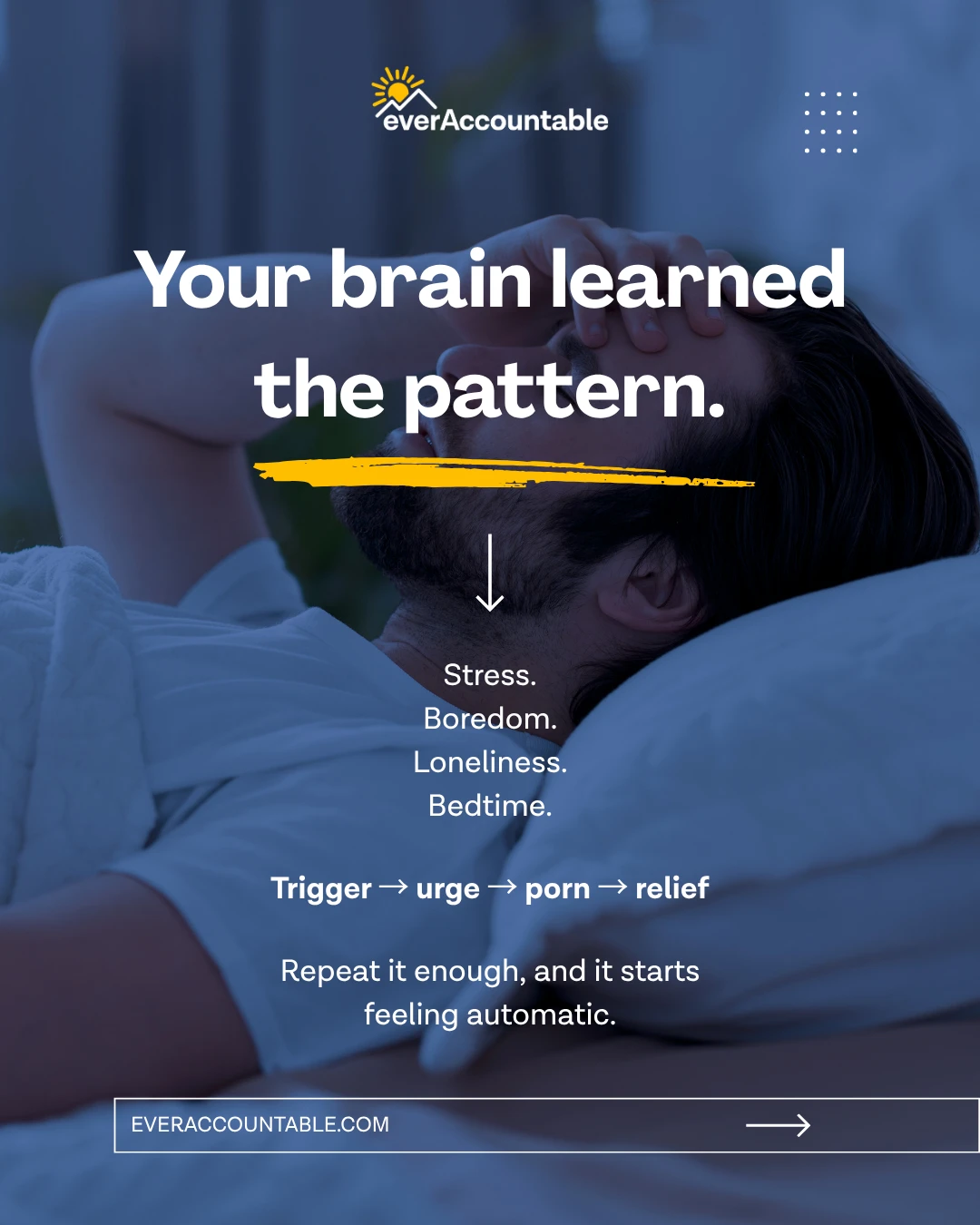
If you watch porn often, your brain starts linking certain situations, like boredom, stress, or getting ready for bed at night, with the urge to watch it again. The more you repeat this routine, the more your brain learns to expect porn in those situations. Over time, the habit becomes automatic, and those urges can pop up without you even thinking about it.
This process is called “rewiring.” Your brain strengthens the connection between a trigger and the behavior. It becomes increasingly difficult to choose a different response, especially when you’re tired, frustrated, or stressed. Many men say it feels like their body reacts before they even have a chance to think it through.
Additionally, compulsive porn use often becomes a coping tool for emotional discomfort. Boredom, anxiety, or stress can trigger the urge to engage. If access is restricted, irritability, restlessness, or frustration may follow. This shows how deeply the habit has become wired into your emotional regulation system.
The Hidden Role of Shame and Trauma in Compulsive Porn Use
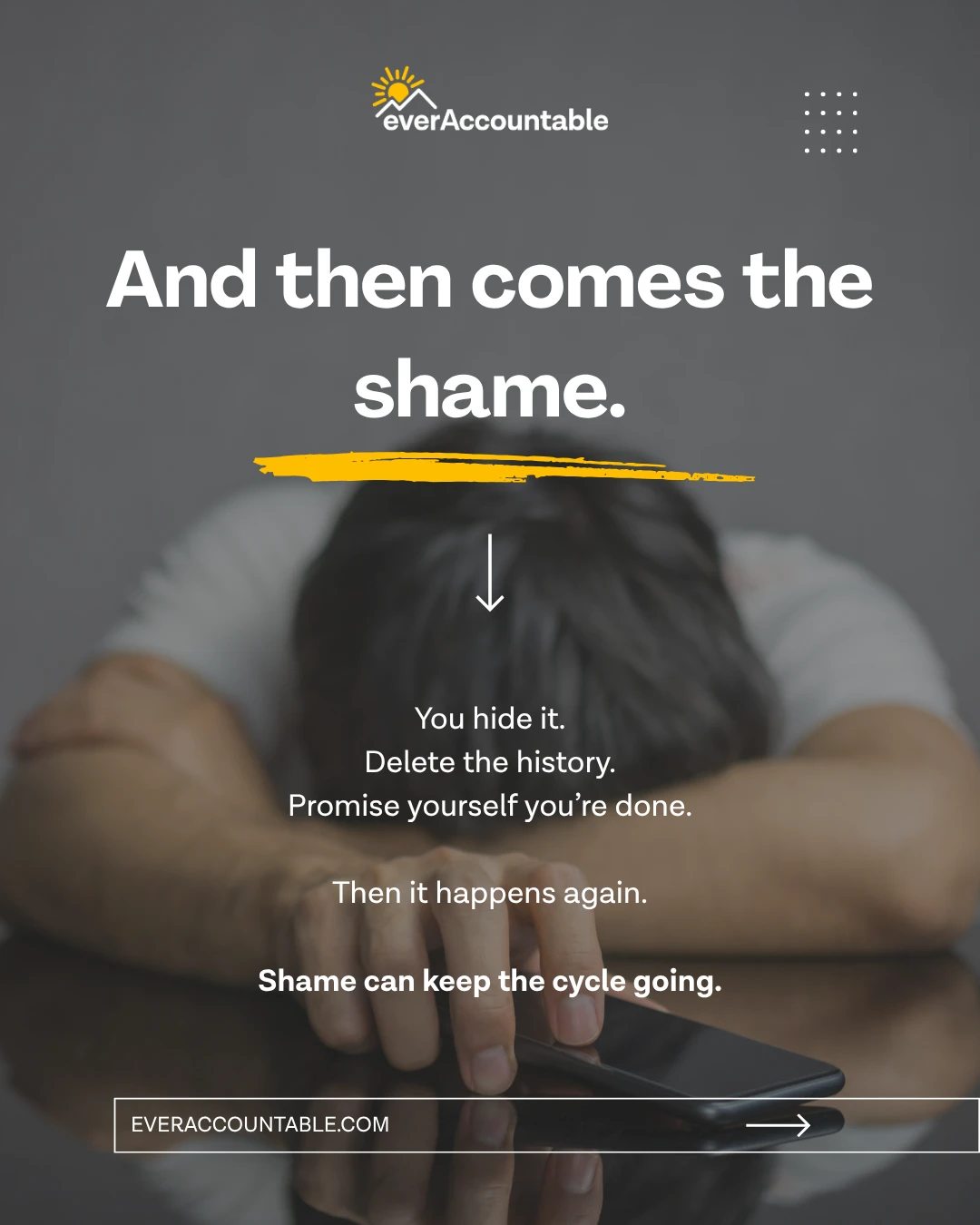
Mood swings, irritability, and even emotional numbness are all common effects of porn addiction. Many men also report growing feelings of shame, low self-esteem, and tension in relationships.
Addiction often thrives in secrecy. Many people go to great lengths to hide their behavior; clearing browser histories, lying about time spent online, or avoiding questions from loved ones.
After acting out, feelings of guilt and shame are common. These emotions may temporarily motivate a vow to stop, but without proper support, the cycle typically starts again.
Sex and porn addiction rarely exist in isolation. Many people also deal with conditions like depression, anxiety, trauma, ADHD, or substance use. These underlying issues can make compulsive behavior harder to manage and often need to be addressed as part of a holistic recovery approach.
The Role of Accountability and Community in Lasting Porn Recovery
Isolation often feeds compulsive behavior. I encourage our clients, like Bryce, to maintain regular, honest conversations with others who support their goals. This includes partners, friends, support groups, or working directly with a recovery coach. At Wellness Seekers, I’ve established a three-pronged approach consisting of coaching, group support, and curriculum, giving clients a space to process setbacks, review progress, and stay focused.
Recovery thrives with structure and feedback. An effective accountability system tracks your progress, highlights setbacks, and helps you course-correct before minor slips turn into bigger issues.
Weekly planning and reflection sessions are a great place to start. A weekly report shared with an accountability partner provides needed motivation to actually take time for your reflection session. Use these to set micro-goals, review habits, and identify emotional patterns. You might use a physical journal, a shared calendar, or check-in calls with a coach or accountability partner.
How to Build a Recovery Plan That Goes Beyond Willpower

Compulsive porn use recovery requires retraining your brain. The process takes time, but each step helps create a healthier pattern. These important strategies can help you start that journey:
- Notice your patterns: Use a simple notebook or app to track when, where, and what you’re feeling when urges show up. This helps identify specific porn addiction symptoms and triggers like boredom, stress, or certain times of day, making it easier to anticipate and manage them.
- Interrupt the cycle: Make access to porn more difficult by removing apps, setting parental controls, or using web blockers. When urges strike, immediately redirect your attention with a short, physical activity such as walking outside, doing a breathing exercise, or texting a friend.
- Support your brain and body: Stick to a consistent sleep schedule, reduce screen time before bed, and exercise regularly. These basic health routines help stabilize mood and reduce the intensity of cravings.
- Rebuild your environment: Your environment should work for your recovery, not against it. Certain spaces, times of day, or even lighting conditions can reinforce old habits. Start by adjusting high-risk areas. Remove unnecessary screens from bedrooms or isolate them from private spaces. Change furniture layouts to reduce hiding spots. Introduce soft lighting or calming sounds to support regulation in the evening.
Each of these steps works together to disrupt compulsive patterns and help you build lasting change.
Understanding Porn Addiction And The Brain
When you’re caught in the cycle of compulsive behavior, it can feel like your brain is working against you. But those patterns aren’t fixed. With awareness, structure, and the right support, men like Bryce discover it’s entirely possible to break free and build a more stable, fulfilling life, free from secrecy and hiding.
Meet Russell Beebe
Russell Beebe, LCMHC, MLADC, CSAT, brings over 16 years of personal recovery from sex, substance, and food addiction to his work as a clinician, therapist, supervisor, and clinical director in the addiction and mental health field. As the founder of Wellness Seekers, he helps men recovering from sex addiction find lasting change through total wellness of mind, body, and spirit, built on commitment, willingness, and honesty.
If what you’ve read here feels familiar, you’re not alone. Change takes work, but you don’t have to figure it out on your own. Call us at (603) 522-7820 or reach out online to start the conversation.